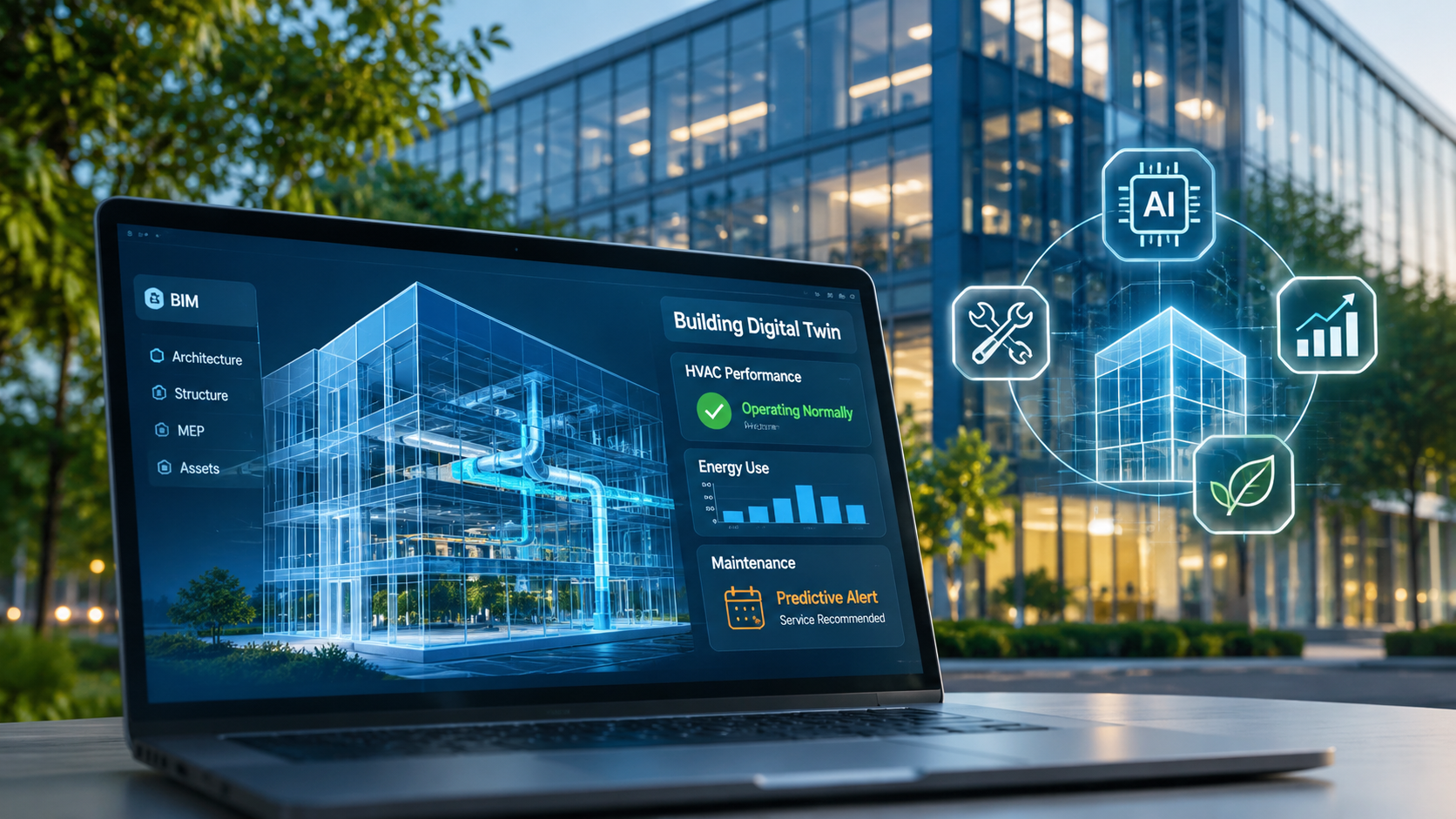
Imagine a commercial building where an air handling unit begins consuming more energy than usual. The equipment is still operating, but its performance data reveals an unusual pattern that may indicate a developing problem. Traditionally, maintenance teams might discover the issue during a scheduled inspection or after a breakdown.
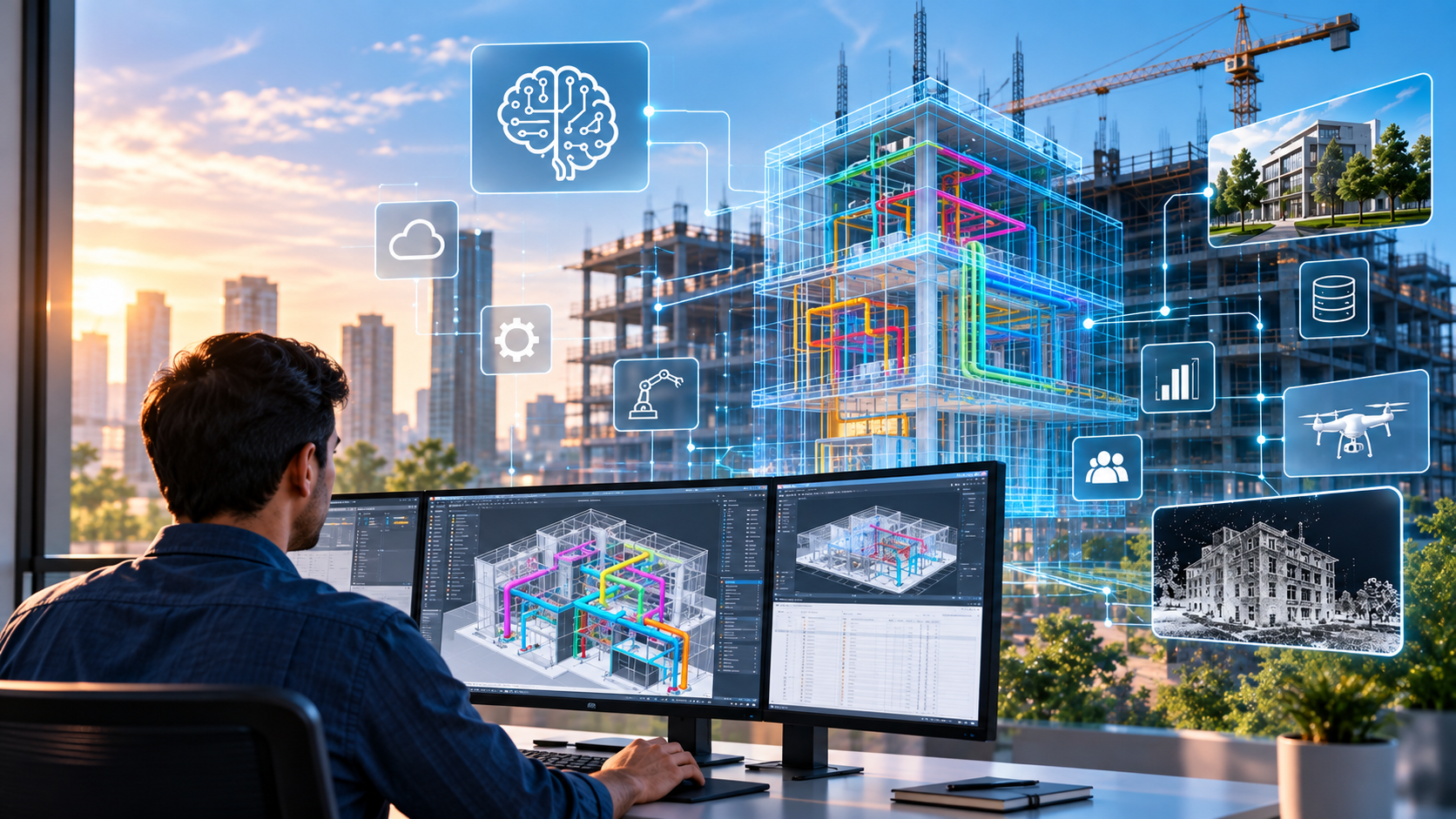
With an AI-powered digital twin, building operators can potentially identify these changes earlier, investigate their causes and plan maintenance accordingly. By combining Building Information Modeling (BIM), Internet of Things (IoT) sensors, operational data and artificial intelligence, digital twins help extend the value of engineering information beyond construction and into building operations.
What Is a Digital Twin in Construction?
A digital twin is a digital representation of a physical building, system or asset connected to information about its real-world condition and performance. Unlike a conventional 3D model, it can receive updated information from connected building systems and other data sources.
For example, a BIM model may show the location, dimensions and specifications of an HVAC unit. A connected digital twin can additionally display its temperature, operating status, energy consumption and maintenance history. This combination helps facility managers understand equipment performance within the context of the building.
Digital twins can support equipment monitoring, energy analysis, maintenance planning and asset management. Their capabilities depend on the quality of available information and the level of system integration.
How BIM Provides the Foundation for Digital Twins
Professional BIM services help project teams develop coordinated digital models containing architectural, structural and MEP information. When properly structured and maintained, these models can provide a foundation for digital twin implementation.
Asset identification and information
BIM models can contain equipment identifiers, specifications, locations and maintenance-related attributes. Structured asset information helps facility managers locate equipment, retrieve relevant documentation and associate physical components with operational records.
Accurate as-built building information
Buildings often undergo changes during construction, meaning design-stage models may not reflect the completed facility. For existing buildings, Scan to BIM services can help convert measured site conditions into updated as-built models. Reliable geometry and asset information are important for connecting operational data to the correct building components.
Connecting BIM with operational systems
BIM information can be linked with building management systems (BMS), IoT platforms and maintenance databases. While the model provides spatial and asset context, connected systems supply performance information. BIM alone is not a live digital twin; operational data integration and ongoing information management are essential.
How AI-Powered Digital Twins Support Predictive Maintenance
Traditional preventive maintenance typically follows fixed schedules based on calendar dates or operating hours. Predictive maintenance instead uses equipment performance data, historical records and analytical models to identify patterns that may indicate deterioration or developing faults.
Example: Detecting an HVAC equipment problem
Consider an air handling unit in a commercial office building. Sensors and building automation systems may collect supply and return air temperatures, fan speed, motor power consumption, differential pressure and operating hours.
If the motor begins consuming more power while delivering similar airflow, an analytics system may flag the change as an abnormal operating pattern. Possible causes include filter resistance, mechanical wear or control-system inefficiency.
A connected digital twin helps maintenance teams locate the equipment, review its documentation and examine relevant operating data. Engineers can then inspect the unit and determine whether maintenance is required.
AI does not automatically diagnose every mechanical fault. Reliable predictions depend on sensor quality, sufficient operating history, suitable analytical models and engineering validation.
Digital Twin Applications Across Building Lifecycle Operations
HVAC performance and energy management
Digital twins can combine HVAC equipment information with sensor measurements and energy consumption data. Facility teams can investigate inefficient operation, assess temperature variations and evaluate potential changes to equipment settings or operating schedules using appropriate analytical tools.
Mechanical and electrical asset management
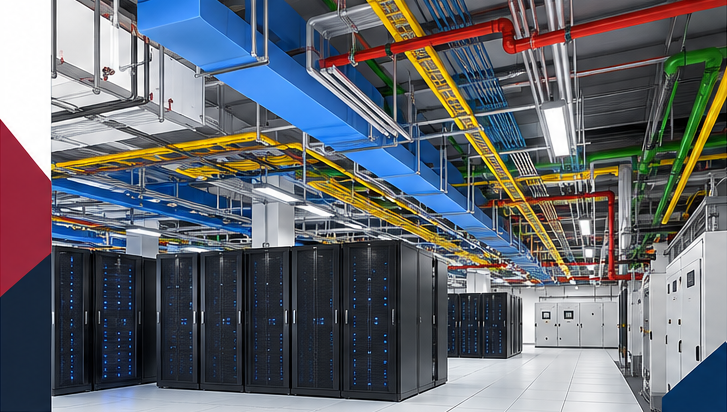
Commercial buildings contain pumps, chillers, electrical panels and extensive service networks. MEP BIM services can help establish coordinated models that identify equipment locations and relationships between building systems. Linking this information to maintenance databases makes relevant asset records easier to access.
Facility maintenance planning
Facility managers can review equipment conditions alongside service histories and operational priorities. For example, a team may identify critical pumps, locate them within the building and review their maintenance records before scheduling inspections or replacements.
Building renovation and retrofit planning
Updated BIM models help engineering teams evaluate existing conditions and assess spatial constraints before replacing equipment or upgrading building systems. Connected operational information can provide additional insight into performance before a retrofit begins.
Why Accurate BIM Data Matters for Digital Twin Implementation
A digital twin depends on the reliability of its underlying information. Even advanced AI platforms may produce unreliable results when asset records are incomplete or operational data is linked to the wrong equipment.
Common challenges include outdated building models, inconsistent equipment identifiers, missing asset specifications, incompatible software platforms and inaccurate sensor readings. Addressing these issues requires collaboration between engineering teams, building owners, facility managers and technology providers.
Preparing BIM Models for Digital Twin Readiness
Successful preparation starts with clear operational objectives and information requirements. Project teams should consider the following steps:
- Define asset information requirements based on the building systems and equipment that need monitoring.
- Maintain accurate as-built models using verified records and measured site information where necessary.
- Establish consistent equipment identification so assets can be matched across BIM, BMS and maintenance platforms.
- Organize asset data for handover using structured information exchanges such as COBie where required.
- Consider interoperability through open data standards such as Industry Foundation Classes (IFC), alongside suitable integration methods.
- Establish an information update process to reflect equipment replacements, relocations and building modifications.
These steps help ensure that BIM information remains useful throughout the operational life of the facility, rather than becoming outdated after project handover.
How Advenser Supports Digital Twin Readiness
Advenser Engineering Services supports architectural, structural and MEP modeling, engineering coordination, reality capture workflows and digital building documentation. These capabilities help project stakeholders develop coordinated models, document existing conditions and prepare reliable building information for handover and future facility management applications.
Through structured modeling and BIM coordination, project teams can establish a more consistent information foundation for digital building workflows. Operational digital twin implementation may additionally require specialist IoT infrastructure, analytics platforms and system integration.
Conclusion
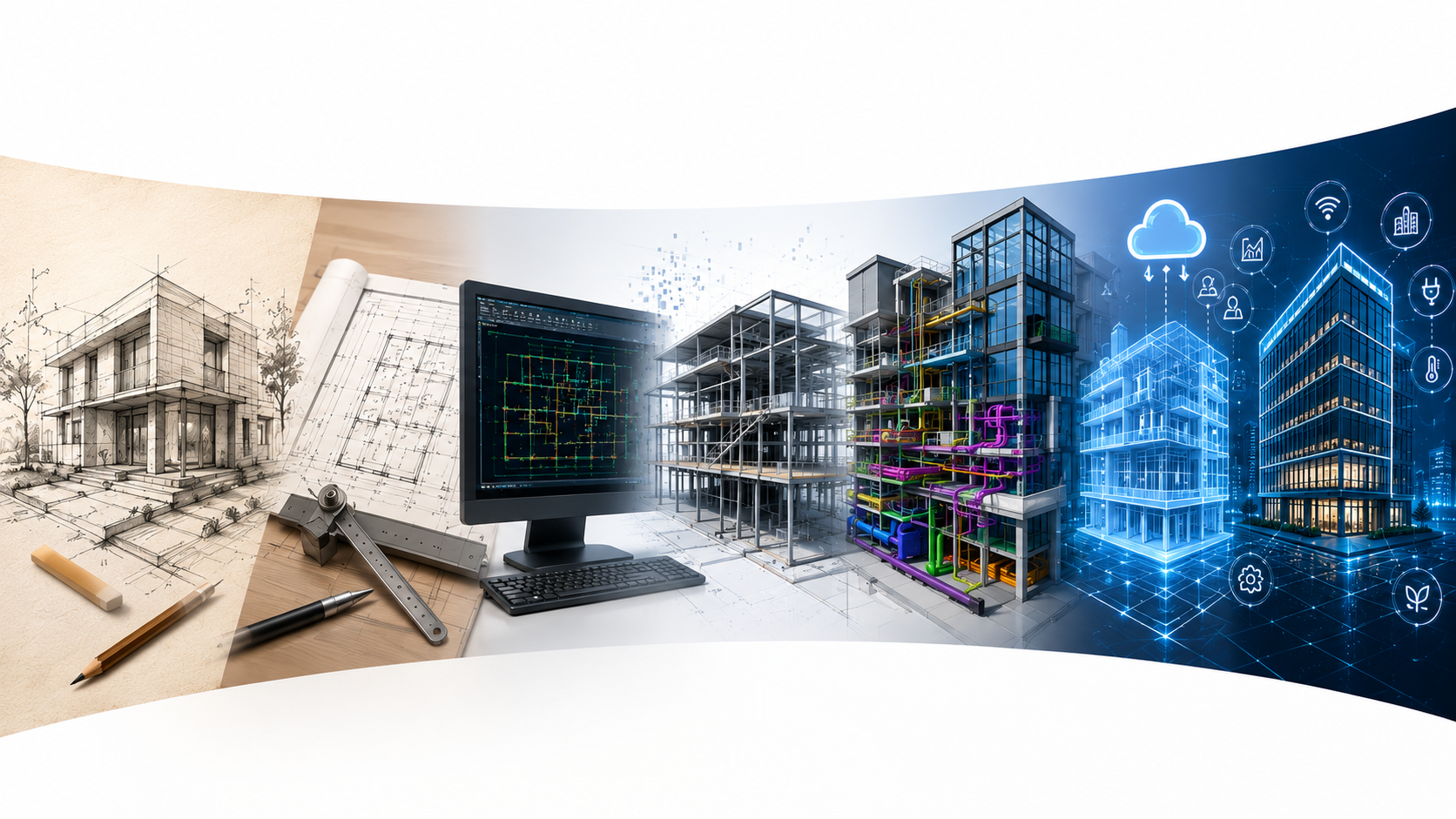
AI-powered digital twins are expanding the role of BIM from design and construction into maintenance, asset management and lifecycle operations. By connecting accurate building models with relevant operational data, facility teams can gain better insight into equipment performance and make more informed maintenance decisions.
Building owners can begin by identifying critical assets, preparing reliable BIM information and establishing appropriate data connections before introducing advanced analytics.
Planning a building upgrade, digital twin initiative or as-built modeling project? Contact Advenser to discuss your BIM and engineering documentation requirements.